Durable automation systems rely on dependable components to maintain efficiency, consistency, and long-term operational success. Among the most valuable elements within automated equipment are pneumatic components, which provide controlled motion, precise force, and dependable performance. Their ability to support continuous production activities makes them an essential part of modern automation systems designed for durability and productivity.
Supporting Long-Term Equipment Reliability
Reliable pneumatic components contribute significantly to the durability of automation systems by ensuring stable and predictable operation.
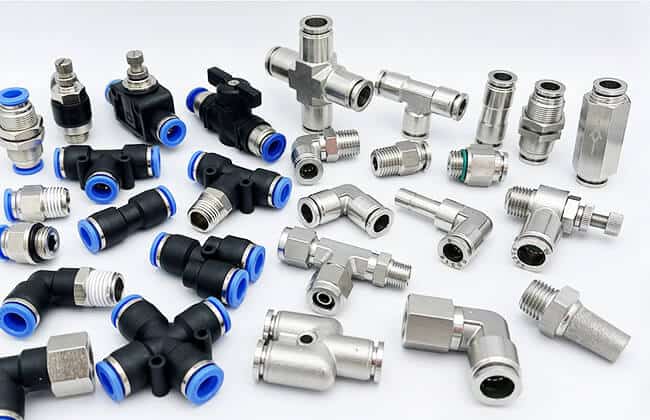
Key reliability advantages include:
- Consistent performance during extended operating cycles
- Reduced mechanical wear through smooth motion control
- Stable force delivery for repetitive processes
- Improved operational dependability
- Enhanced equipment lifespan
- Lower risk of unexpected interruptions
- Better system responsiveness
- Greater production consistency
These benefits help automation systems maintain high performance while minimizing downtime and maintenance requirements.
Enhancing Operational Efficiency
Efficiency remains a primary objective for automated systems, and quality pneumatic components play an important role in achieving that goal.
Efficiency-focused benefits include:
- Fast and accurate actuation
- Smooth movement of automated mechanisms
- Reliable pressure regulation
- Improved cycle repeatability
- Optimized energy utilization
- Reduced production delays
- Consistent process execution
- Better workflow continuity
As a result, automated equipment can operate at higher productivity levels while maintaining dependable output quality.
Improving Precision and Control
Automation systems often require exact movement and positioning. Pneumatic components support this need by delivering accurate and repeatable performance.
Precision benefits include:
- Controlled motion execution
- Accurate positioning capabilities
- Stable operating pressure
- Consistent actuation speeds
- Reliable process control
- Improved product uniformity
- Reduced operational variation
- Enhanced quality assurance
This level of precision supports reliable production outcomes and strengthens overall system performance.
Contributing to Simplified Maintenance
Durable automation systems benefit from components that are easy to maintain and designed for dependable service.
Maintenance-related advantages include:
- Long-lasting operational performance
- Reduced service frequency
- Simplified inspection procedures
- Faster maintenance activities
- Improved equipment availability
- Greater maintenance efficiency
- Lower replacement requirements
- Enhanced operational continuity
Organizations that prioritize dependable pneumatic solutions often experience smoother maintenance management and improved productivity.
Supporting Future Automation Growth
As automation systems continue to evolve, reliable pneumatic components remain valuable assets for supporting expansion and performance improvements. During system development and equipment upgrades, many industry professionals explore resources such as https://www.hebaiele.com/ru/ to better understand pneumatic technologies and component applications that contribute to dependable automation performance.
Growth-supporting benefits include:
- Flexible integration capabilities
- Adaptability to changing requirements
- Reliable support for advanced equipment
- Improved operational scalability
- Consistent system performance
- Enhanced production capabilities
- Stronger equipment durability
- Long-term operational value
Conclusion
Durable automation systems achieve greater reliability, efficiency, precision, and longevity when supported by dependable pneumatic components. Their ability to deliver consistent performance, simplify maintenance, and support future growth makes them an essential foundation for successful automated operations. Reliable pneumatic solutions help create stable, productive, and durable systems that continue delivering positive results over the long term.
About the Author